Race PrepApr 21, 2026
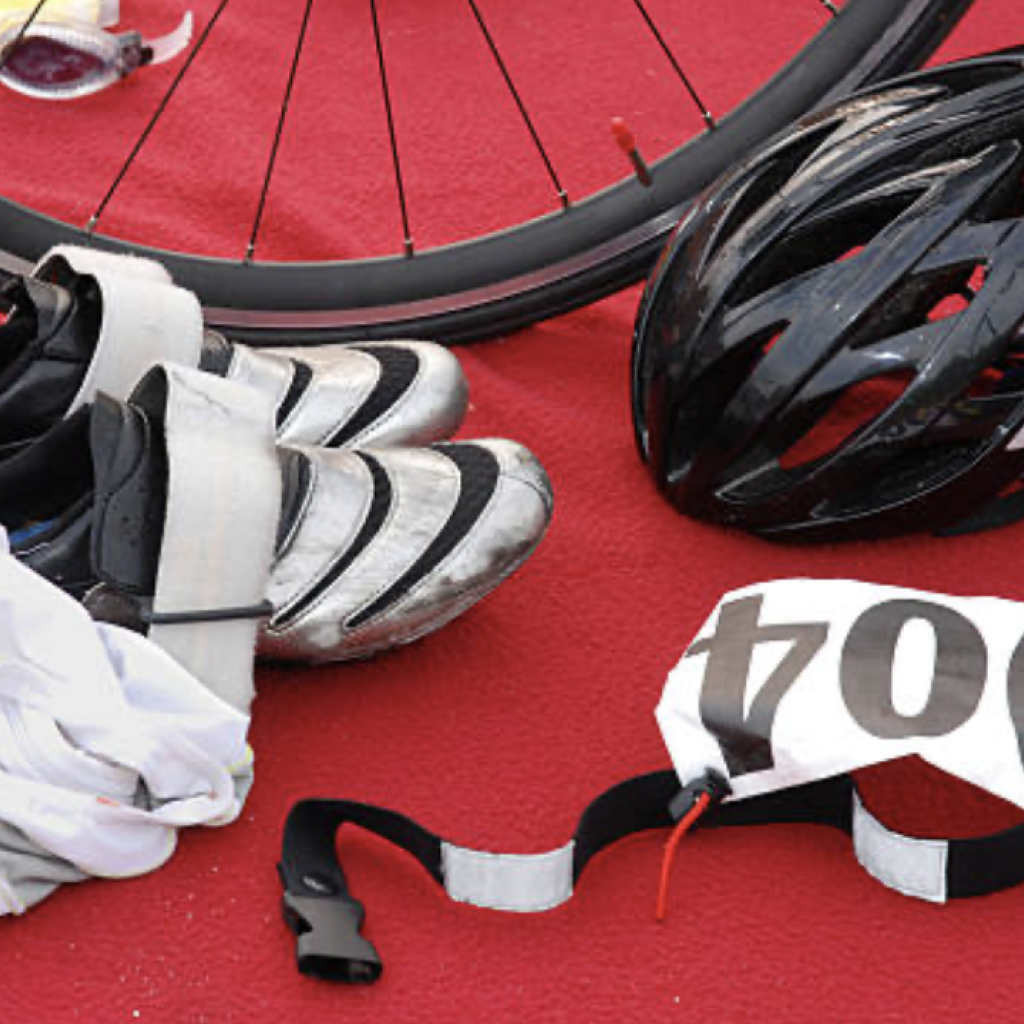
Transition: The Fastest Way to Find Free Speed
The difference between a good race and a frustrating one often comes down to what happens in transition.
4 min read
The taper is the hardest part of any training cycle. Here is how to handle the reduced volume, phantom pains, and race anxiety.

James Tebbs
Jan 27, 2026
You have done the work. Months of early mornings, long weekends, and sore legs. Now comes the part that might be harder than any interval session: the taper. Reducing your training volume before a race is essential for peak performance, but it often comes with a side of anxiety and self-doubt.
Your body is used to being fatigued. When you suddenly reduce training, your nervous system can go a bit haywire. Phantom pains appear. You feel sluggish. Every throat tickle feels like the onset of illness. This is completely normal and actually a sign the taper is working.
The taper is as much a mental challenge as a physical one. You will second-guess your fitness, wonder if you trained enough, and have a strong urge to squeeze in one more big session. Resist this. The fitness is banked. Trust the process.
The taper does not make you fitter. It reveals the fitness you have already built. Your only job during taper week is to not undo the work.
Keep reading
The difference between a good race and a frustrating one often comes down to what happens in transition.

When the goals that once drove you stop feeling the same, pushing harder isn’t always the answer. Sometimes it’s worth stepping back, getting curious and asking what you actually want from your sport now.

You won’t get fitter in the final weeks before your race, but you can absolutely get it wrong. The right nutrition approach helps you arrive energised, recovered, and ready to perform.