NutritionFeb 20, 2026
Race Day Nutrition: A Practical Fueling Guide
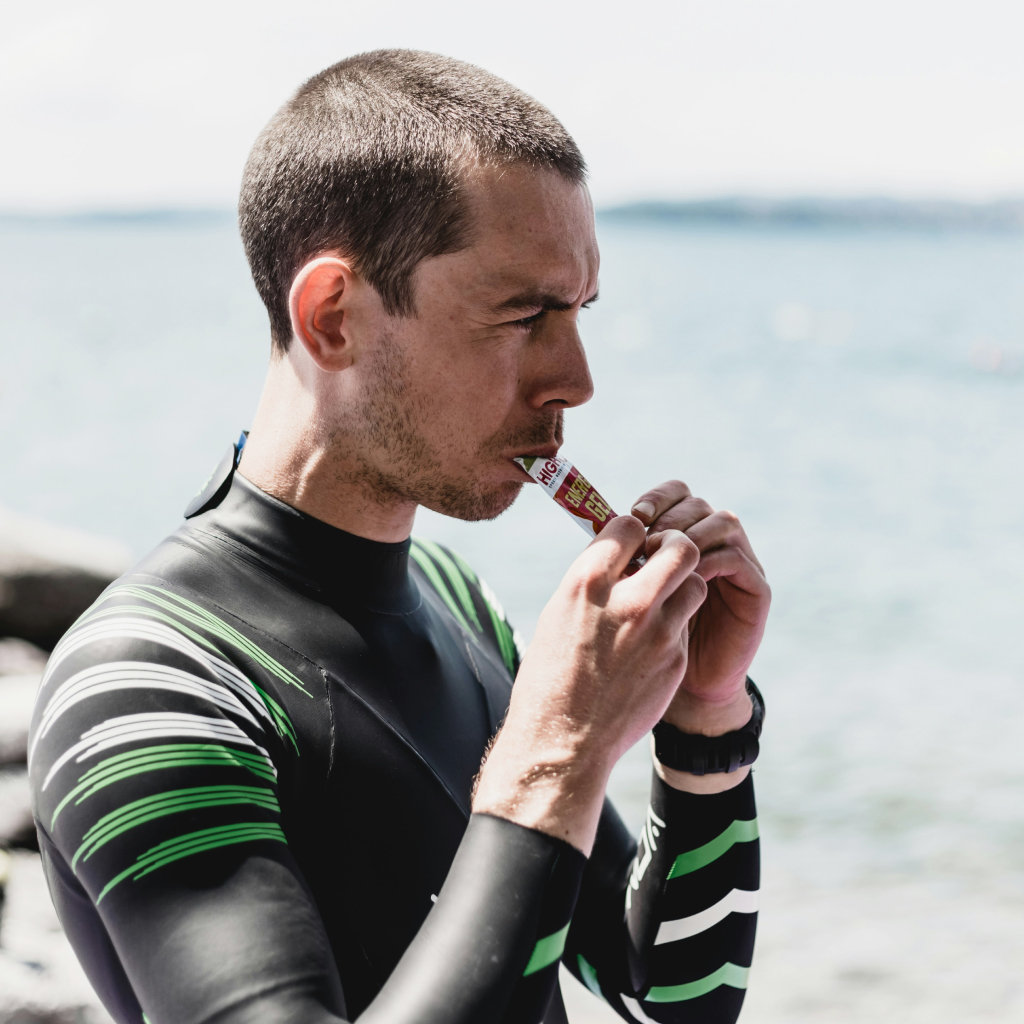
From pre-race meals to on-course calories, here is how to fuel for sprint through Ironman distances without GI distress.
3 min read
You won’t get fitter in the final weeks before your race, but you can absolutely get it wrong. The right nutrition approach helps you arrive energised, recovered, and ready to perform.

James Tebbs
May 4, 2026
Most athletes obsess over their training plan in the final stretch before a race. Fewer give the same level of attention to nutrition, which is strange when you consider this is the phase where small decisions can quietly undermine months of work. The last two to three weeks before race day are not about transformation. You’re not getting fitter now. You’re consolidating, recovering, and setting up your body to express the fitness you’ve already built. Nutrition needs to reflect that shift.
In peak training, high calorie intake makes sense. You’re repairing tissue, adapting to load, and often sitting in a constant energy deficit.
As volume tapers, many athletes keep eating the same way out of habit. The result is a subtle but real issue: sluggishness, poor sleep, and a sense of heaviness that gets misread as “taper fatigue”.
You don’t need a dramatic cut. You need alignment.
A simple check: are you eating for the session you just did, or the one you used to do?
Carbs matter more than ever in this phase, but not in the way most people think. You don’t need to constantly “top up”. You need to time intake around key sessions and, later, the race itself.
In the final 10–14 days:
Then, in the final 48–72 hours:
Carb loading isn’t a binge. It’s a controlled shift.
Hydration mistakes are rarely dramatic. They’re usually subtle and cumulative.
Start paying attention to:
In the final days:
Nutrition in the final weeks is less about doing more, and more about removing friction. You’re creating the conditions for your body to do what it already knows how to do.
If you’re unsure whether your current approach is actually supporting your performance or quietly working against it, that’s where tailored guidance makes the difference. The right strategy isn’t generic. It’s built around your physiology, your training, and your race demands.
If you want to sharpen that edge before race day, get in touch.
Keep reading
From pre-race meals to on-course calories, here is how to fuel for sprint through Ironman distances without GI distress.

When the goals that once drove you stop feeling the same, pushing harder isn’t always the answer. Sometimes it’s worth stepping back, getting curious and asking what you actually want from your sport now.
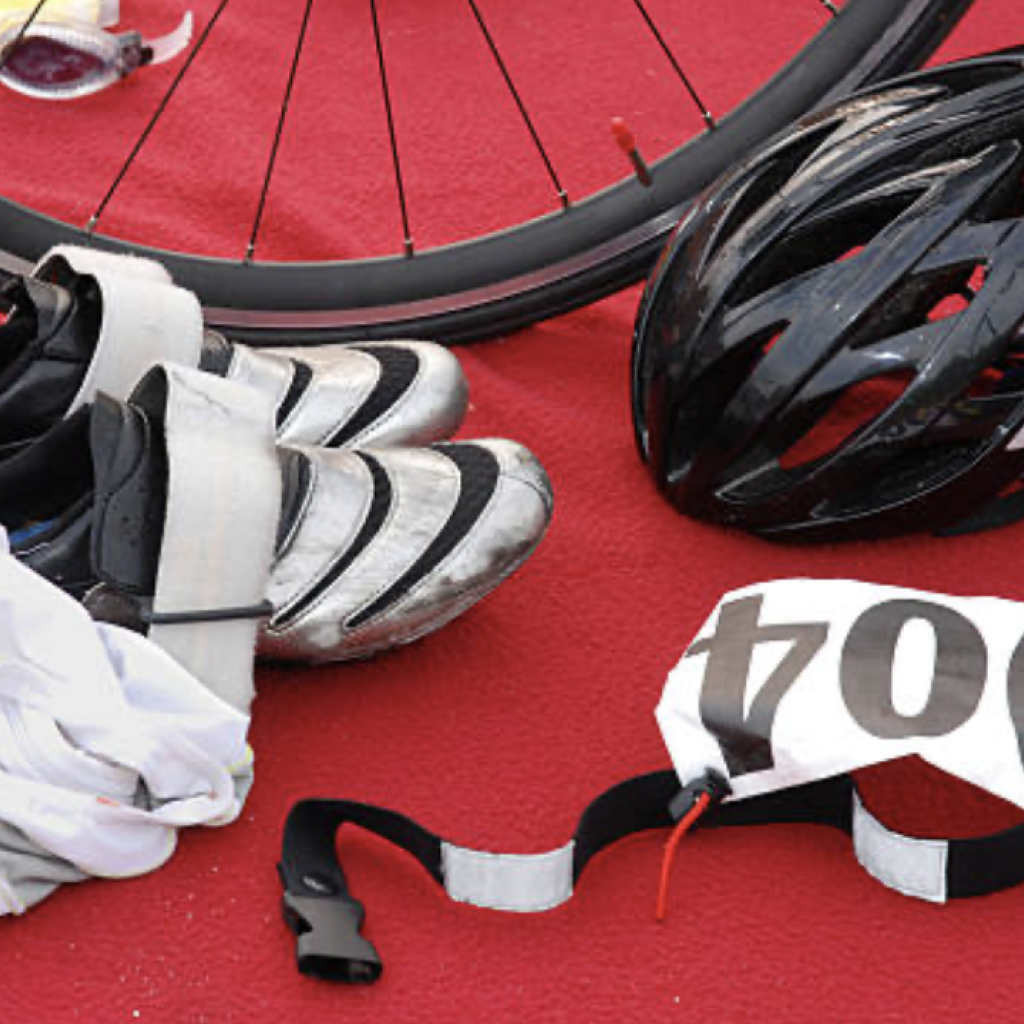
The difference between a good race and a frustrating one often comes down to what happens in transition.