Nutrition is the fourth discipline of triathlon, and it is the one that can make or break your race. I have seen fit athletes crumble in the final 10K of an Ironman because they neglected their fueling strategy. Here is a practical guide you can apply at any distance.
The Night Before and Race Morning
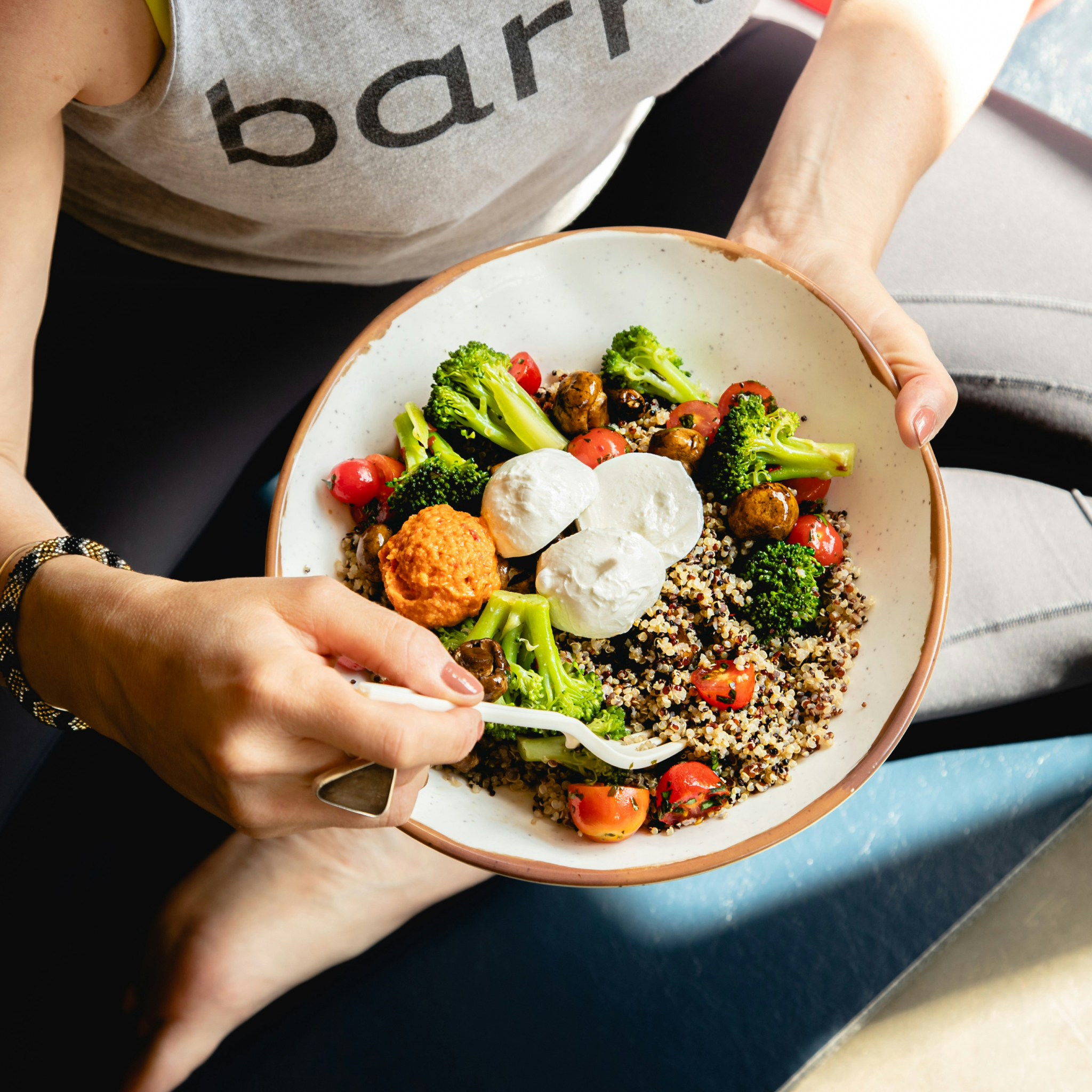
Eat a familiar dinner the night before. This is not the time to try a new restaurant or exotic cuisine. Stick with easily digestible carbohydrates: rice, pasta, bread, and a moderate portion of protein. On race morning, eat two to three hours before the start.
- Aim for 1 to 1.5 grams of carbohydrate per kilogram of body weight at breakfast around 1 to 2 hours before your race starts
- Stick to foods you have practiced with in training
- Sip water or a sports drink, do not overhydrate
- Avoid high fiber and high fat foods on race morning
On-Course Fueling by Distance
For sprint distance races, you barely need to fuel at all. Water and maybe a gel is sufficient. Olympic distance, aim for 30 to 60 grams of carbohydrate per hour on the bike. For half and full Ironman, you need 60 to 90 grams per hour, starting early on the bike.
The golden rule of race nutrition: nothing new on race day. Every gel, bar, and drink you use should have been tested multiple times in training.
Managing GI Distress
Gut issues in racing are almost always a result of going out too hard, dehydration, or trying new products. Train your gut just like you train your legs. Practice your race nutrition in training sessions so your digestive system adapts to processing fuel at effort.
You are not just training your muscles and cardiovascular system. You are training your gut. If you skip this part, race day will remind you.